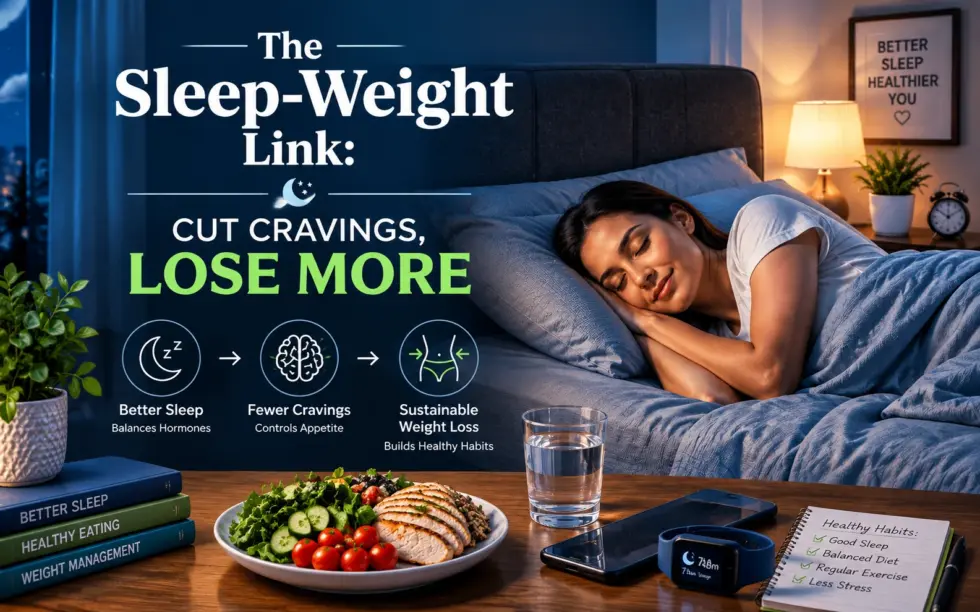

I used to think Sleep and weight were basically a math problem.
Calories in, calories out. Move more. Eat less. Done.
And sure, that’s the skeleton of it. But for a long time I kept getting tripped up by the same annoying pattern. I would eat pretty well for a few days, even feel motivated, and then… one bad night of sleep.
The next day I’d feel like a different person.
Hungrier. More impulsive. Weirdly drawn to sugary stuff I don’t even keep around. And also. Too tired to cook. Too tired to work out. Too tired to care.
If this sounds familiar, it’s not because you “lack discipline”. It’s because sleep is quietly running the show. Sleep is one of those levers that doesn’t feel like weight loss, but it changes the whole environment your appetite lives in.
So this article is about that link. Not in a fluffy way. In a practical, oh that’s why I keep craving chips at 3 pm way.
Because once you understand what sleep deprivation does to cravings, you can use sleep as a tool. A real one. To cut cravings and lose more, with less white knuckle willpower.
Sleep isn’t a bonus habit. It changes your appetite
Let’s start with the obvious part.
When you don’t sleep enough, you feel tired. Everyone knows that.
But what most people don’t connect is that tiredness doesn’t just sit in your eyes and your mood. It lands directly on your appetite. It changes what you want to eat, how much you want to eat, and how hard it feels to stop.
There are a few reasons:
- Your hunger and fullness signals get warped.
- Your brain starts valuing quick energy more.
- Your stress response goes up, which pushes comfort eating.
- You have more waking hours to snack in. Simple, but real.
And the kicker. Even if you keep your calories “about the same”, poor sleep often makes you choose different calories. More ultra processed, more sugar, more fats, less fiber, less protein. The kind of stuff that doesn’t keep you full.
So you end up in this loop where you’re technically eating, but never satisfied.
The hormone side. Why cravings feel louder after a bad night
You’ve probably heard about “hormones” in weight loss conversations and rolled your eyes a little. Fair. People use hormones like a mysterious excuse for everything.
But with sleep, the hormone story is actually pretty direct.
Ghrelin and leptin. The hunger/fullness duo
Ghrelin is often called the hunger hormone. It tends to rise when you’re sleep deprived.
Leptin is often called the fullness hormone. It tends to drop when you’re sleep deprived.
So you wake up the day after short sleep with a double whammy. More hunger signaling, less satiety signaling. Which basically means.
You feel hungrier than you “should”. And it takes more food to feel satisfied.
And if you’ve ever had one of those days where lunch didn’t even touch your hunger, you just kept grazing after. That’s what I’m talking about.
Cortisol. Stress that feels like snackiness
When sleep is short or fragmented, cortisol can run higher.
Not always in a neat predictable pattern. But enough that you notice it. You feel more on edge, more reactive, less patient.
And stress eating is not just emotional. Cortisol can increase appetite and increase preference for high energy foods. Your brain is basically like, we need fuel, and we need it fast.
So suddenly the idea of a plain chicken salad feels insulting. But a pastry or a bag of chips sounds perfect.
That’s not a character flaw. That’s biology plus modern food.
Insulin sensitivity. The stealthy one
Poor sleep can reduce insulin sensitivity. Which means your body handles carbs differently, and blood sugar regulation can get messier.
When your blood sugar swings, cravings tend to follow. You get that shaky, snacky feeling. The kind where you don’t even want “food”. You want a specific thing. Something fast.
It’s hard to out hustle that with willpower every day.
The brain side. Why you stop caring and start snacking
Sleep deprivation doesn’t just change hormones. It changes decision making.
This is the part that makes me laugh because it’s so real.
After a short night, you can intellectually know what you want to do. Eat the planned meals. Skip the vending machine. Go to the gym.
But the part of your brain that does impulse control is tired. The part that lights up for rewards is not tired at all. It’s basically partying.
So you end up with:
- more “I deserve a treat” thoughts
- more impulsive ordering
- more grazing without noticing
- less ability to pause and choose
And it’s not only food. Poor sleep makes everything feel harder. So you look for relief. Food is easy relief.
Also. When you’re tired, you’re more likely to skip protein and fiber. Not because you hate health. Because you’re trying to survive the day.
The simple math side. More awake time means more chances to eat
This part is boring but true.
If you’re awake longer, you have more opportunities to snack. Especially at night, when the food you want tends to be more snacky and less meal like.
And late night eating has its own momentum.
You snack. Then you want a little more. Then you’re like well I already did it, might as well finish the bowl. Then you sleep worse because your digestion is active. Then you wake up hungrier.
It stacks.
This is why “I’ll just stay up and catch up on work” can quietly sabotage a fat loss goal. Not because you stayed up once. But because it becomes a pattern.
Why fat loss can stall even if you’re “doing everything right”
This is the part that frustrates people.
You meal prep. You track. You hit your steps. You even lift weights. And the scale still doesn’t move like it should.
Sometimes sleep is the missing piece.
Because when sleep is low:
- you may unconsciously eat more even if you think you didn’t
- you may retain more water due to stress and inflammation
- you may train worse, which lowers energy expenditure
- you may move less without noticing (less fidgeting, fewer steps)
- you may crave foods that make it easier to overshoot calories
Also, when you’re tired, workouts feel harder. So you might shorten them, lift lighter, skip the walk, sit more.
Nobody writes that in their calorie tracker, but it matters.
And then there’s a psychological thing that’s huge.
If you’re tired, you’re more likely to say “screw it” after a small slip.
You eat one cookie. If you’re well rested, you move on. If you’re exhausted, it turns into an entire evening of snacking because your brain has less buffer.
The 3 types of sleep problems that mess with weight the most
Not all sleep issues are the same. And you don’t need perfect sleep to lose weight. But certain patterns are particularly rough.
1. Short sleep (consistently under 7 hours)
This is the big one. If you’re regularly at 5 to 6 hours, cravings often become a daily event.
It also makes recovery from workouts worse, which matters if you’re lifting.
2. Fragmented sleep (you get hours, but it’s broken)
You may technically spend 8 hours in bed, but you’re waking up a lot. Kids, stress, phone notifications, alcohol, sleep apnea, random insomnia.
Fragmented sleep can still leave you feeling like you got hit by a truck. And cravings still show up.
3. Inconsistent timing (weekdays vs weekends)
This is like giving your body jet lag every week.
You sleep 6 hours during the week, then “catch up” on weekends by sleeping in. That can disrupt your body clock, change hunger cues, and make Monday feel brutal.
And Monday hunger tends to be chaotic hunger.
The “sleep more” advice is annoying. Here’s how to make it real
Telling someone to sleep more is like telling someone to “just relax”. It’s not helpful unless you get specific.
So let’s get specific. These are the levers that actually help with cravings and weight loss.
1. Pick a wake time. Protect it like it matters (because it does)
Most people try to fix sleep by forcing an earlier bedtime.
That can work. But the easier anchor is the wake time.
Pick a wake time you can stick to at least 5 days a week. Including weekends if possible, or at least don’t swing by 3 hours.
When your wake time is consistent, your body starts getting sleepy at a more consistent time. It’s boring, but it works.
If you’re currently all over the place, don’t go perfect overnight. Move it by 15 to 30 minutes every few days.
2. Get light in your eyes early
Morning light is a cheat code.
Natural daylight within an hour of waking helps set your circadian rhythm. It tells your brain, this is morning. This is the start.
That makes it easier to feel sleepy at night.
Even 5 to 10 minutes helps. A short walk, standing on the balcony, walking the dog, whatever.
And yes, it counts even if it’s cloudy. Outside light is still way brighter than indoor light.
3. Caffeine cutoff. Earlier than you think
If you’re sleeping poorly, but also drinking caffeine at 3 pm, this might be the entire issue.
Caffeine has a long half life. Meaning, a chunk of it is still in your system hours later. Even if you “feel” like it doesn’t affect you, it can reduce deep sleep and increase micro awakenings.
A good starting rule: no caffeine after lunch.
If that sounds impossible, start by moving your last caffeine back by 30 minutes every few days. Or switch the later drink to half caf. Or tea.
4. Stop negotiating with your phone at night
I’m not going to tell you to never use your phone. That’s unrealistic.
But you do need a boundary.
Because phones do two things:
- Bright light, which can delay melatonin release.
- Interesting content, which wakes your brain up emotionally and mentally.
Try this: a 30 minute buffer.
Last 30 minutes before sleep. No scrolling. No news. No work email. Do something boring. Shower. Stretch. Read a paper book. Put clothes out for tomorrow. Clean the kitchen a bit. Anything that doesn’t pull your brain into a new storyline.
If you slip sometimes, whatever. But if you do it most nights, you’ll feel the difference.
5. Keep your bedroom cool, dark, and stupid simple
You want your sleeping environment to feel like a cave.
Cooler temperatures help most people sleep deeper. Darkness helps melatonin. Quiet helps you stay asleep.
If you can’t control noise, a fan or white noise can help. If light leaks in, blackout curtains or an eye mask.
Also, try not to work in bed. Your brain learns associations. Bed should mean sleep, not spreadsheets and stress.
6. Alcohol. The “it helps me sleep” trap
Alcohol can make you sleepy fast. But it often worsens sleep quality later in the night. More wake ups, lighter sleep, earlier waking.
So you might fall asleep quicker, but you wake up less restored.
If you drink and notice cravings the next day are wild, this could be why. Especially if drinking also leads to late night snacks. That combo is brutal.
You don’t have to go full monk. Just notice patterns. Try pulling alcohol back for 2 weeks and see what happens to appetite. It’s pretty eye opening.
The weight loss strategy that works better when you’re tired
Ok. Let’s be real. Even if you do everything above, you will still have nights where you sleep badly.
Work. Kids. Travel. Anxiety. Hormones. Life.
So the goal is not perfect sleep. The goal is resilience. What do you do the day after a bad night so you don’t spiral into cravings and a full day of snacking.
Here’s what works.
1. Eat a protein heavy breakfast. Even if you’re not a breakfast person
After poor sleep, appetite regulation is off. Starting the day with solid protein helps.
Not a tiny yogurt. Not a granola bar.
Think 25 to 40 grams of protein if you can.
Examples:
- eggs plus Greek yogurt
- cottage cheese bowl with berries and nuts
- protein shake plus a real food side like fruit and toast
- tofu scramble
- leftover chicken and rice if you’re that person. Respect
This does two things. It stabilizes hunger and reduces the chance you’ll start grazing at 10 am.
2. Add fiber early. Not later as damage control
So after a short sleep night, don’t wait until dinner to eat vegetables.
Add fruit, oats, beans, veggies, chia, lentils. Something.
A simple one is berries with Greek yogurt, or an apple with peanut butter, or a side salad with lunch.
3. Keep trigger foods out of arm’s reach that day
This is not forever. This is strategic.
If you know you crave sweets after a bad night, don’t keep a family size bag of candy on your desk that day.
Put it away. Make it slightly inconvenient. That tiny bit of friction can prevent an impulsive grab.
Sleep deprived you is not the same person as well rested you. So design for that.
4. Don’t “earn” food with extra exercise when you’re exhausted
This one is sneaky.
After bad sleep, people either skip workouts completely. Or they punish themselves with an intense workout to “make up for it”.
Both can backfire.
A better move is low intensity movement.
Go for a walk. Do a lighter lift session. Stretch. Get steps. Movement improves mood and can improve sleep the next night, without spiking stress.
And it keeps you in your routine. Routine matters more than one heroic workout.
5. Take a short nap, but don’t sabotage tonight
If you can nap, keep it short.
20 minutes is a nice target for many people. If you sleep longer, you might wake groggy and also mess up bedtime.
Also avoid late day naps if they keep you awake at night. If you can, nap earlier.
If napping isn’t an option, even 10 minutes of eyes closed rest can help a bit. Not magical. But you feel slightly more human.
Sleep and cravings. The pattern you can actually notice
Once you start paying attention, you’ll see it.
Bad sleep tends to create cravings with a certain flavor.
Not “I’m hungry, I want a meal.”
More like.
“I want something crunchy, salty, sweet, and I want it now.”
That’s the sleep deprived brain chasing quick dopamine and quick energy.
So if you’re stuck in a cycle of losing weight for a week then gaining it back on weekends, ask a blunt question:
How did I sleep those nights.
And not only how long. How consistent. How disrupted. Alcohol involved or not. Phone in bed or not.
This isn’t about blaming sleep for everything. It’s about finding the hidden driver.
What about people who sleep “fine” but still struggle?
Two things here.
First, a lot of people think they sleep fine because they’re used to feeling tired.
They wake up, drink caffeine, push through, crash at night, repeat. So tired feels normal.
Second, some people sleep a decent amount but have poor sleep quality. Snoring, waking up with headaches, waking up gasping, daytime sleepiness. That can be a sign of sleep apnea, which is more common than people realize.
If that resonates, it’s worth talking to a clinician. Because treating sleep apnea can change energy, hunger, and weight loss capacity. It’s not just about feeling better. It’s a health thing.
Also, certain meds, stress, depression, anxiety can all change sleep architecture. If your sleep is chronically bad, you don’t have to DIY it forever.
A simple 7 day reset that actually helps (without being extreme)
If you want a practical starting point, try this for one week. Just one. Like an experiment.
Day 1 to 7 rules:
- Same wake time every day (within 30 minutes).
- 10 minutes outside light within 1 hour of waking.
- No caffeine after lunch.
- 30 minutes screen free before bed.
- Eat protein at breakfast and lunch.
- Walk 15 to 30 minutes daily, easy pace.
That’s it.
No crazy supplements. No melatonin roulette. No new workout plan.
Most people notice within a week:
- fewer intense cravings
- more stable appetite
- better mood, so fewer comfort eating moments
- easier time sticking to a calorie target without feeling deprived
And then weight loss feels less like a daily argument with yourself.
It’s important to note that while these lifestyle changes can significantly improve your overall health and well-being, they may not address underlying medical conditions such as sleep apnea. Therefore, if you continue to experience difficulties despite making these changes, it may be beneficial to consult with a healthcare professional for further evaluation and treatment options.
Common questions, because people always ask
“Can I just sleep more on weekends to fix it?”
Some catch up sleep is better than none, sure. But huge swings often keep your rhythm unstable.
Try not to oversleep by more than 1 to 2 hours. If you’re exhausted, take a short nap instead and keep wake time mostly consistent.
“What if I have insomnia and can’t just fall asleep?”
Start with the anchors. Wake time and morning light.
Also. If you’re lying in bed stressed for long periods, it can train your brain to associate bed with wakefulness. In that case, getting out of bed for a bit and doing something calm until sleepy can help.
If insomnia is persistent, CBT I is a legit evidence based approach and worth looking into with a professional.
“Do I need 8 hours?”
Not everyone needs exactly 8. Many people do well with 7 to 9.
But if you’re consistently under 7 and struggling with cravings, that’s the first variable to change.
Let’s wrap this up (in a non cheesy way)
If your weight loss efforts keep getting derailed by cravings, intense hunger, or random snack attacks that feel out of character, sleep might be the lever you’re ignoring.
Not because sleep is magic.
Because sleep affects hunger hormones, stress, blood sugar regulation, impulse control, and your ability to make decent choices when life is busy.
And the best part is, improving sleep usually doesn’t require a full life overhaul. It’s small stuff, done consistently.
Pick a wake time. Get morning light. Cut caffeine earlier. Put the phone away before bed. Eat protein and fiber the day after a bad night. Walk. Keep it boring.
Boring is good. Boring works.
Better sleep won’t just help you feel better. It will make your appetite quieter. Your cravings less dramatic. And your weight loss plan easier to stick to, which is kind of the whole point.
FAQs (Frequently Asked Questions)
How does sleep affect weight loss beyond just calories in and calories out?
Sleep plays a crucial role in weight loss by influencing your appetite and food choices. Poor sleep can make you feel hungrier, more impulsive, and drawn to sugary or processed foods. It also affects your energy levels, making it harder to cook or work out. So, sleep isn’t just a bonus habit—it changes the entire environment your appetite lives in, impacting your ability to lose weight effectively.
Why do cravings feel stronger after a bad night’s sleep?
After a night of poor sleep, hormone levels like ghrelin (the hunger hormone) increase, while leptin (the fullness hormone) decreases. This hormonal imbalance makes you feel hungrier and less satisfied after eating. Additionally, higher cortisol levels due to stress can boost appetite and preference for high-energy comfort foods, intensifying cravings.
What role does cortisol play in sleep-related cravings and eating habits?
Cortisol, the stress hormone, can rise with short or fragmented sleep. Elevated cortisol increases appetite and drives preference for quick energy foods like pastries or chips. This stress response pushes comfort eating as the brain seeks fast fuel to cope with tiredness and stress—not because of lack of discipline but due to biological signals combined with modern food availability.
How does sleep deprivation impact decision-making related to food and exercise?
Sleep deprivation impairs impulse control while keeping reward centers active. This means even if you know what you should eat or how you should exercise, you’re more likely to have ‘I deserve a treat’ thoughts, make impulsive food orders, graze mindlessly, and skip workouts. Tiredness reduces motivation and makes healthy choices feel harder, leading to reliance on easy relief like snacking.
Why does staying awake longer lead to increased snacking and potential weight gain?
Being awake longer provides more opportunities to eat, especially late at night when snacky foods are more appealing. Late-night eating often leads to a cycle of continuous snacking that disrupts digestion and sleep quality. Poor sleep then causes increased hunger the next day, creating a feedback loop that can stall fat loss efforts.
Can improving sleep quality help reduce cravings and support weight loss without relying solely on willpower?
Absolutely. Understanding how poor sleep affects hormones, appetite signals, decision-making, and energy levels allows you to use better sleep as a practical tool for cutting cravings. Improving sleep quality helps regulate hunger hormones like ghrelin and leptin, lowers stress-related cortisol spikes, stabilizes blood sugar handling through insulin sensitivity, and enhances impulse control—making it easier to stick to healthy eating habits without excessive willpower.