
I used to think “bone health” was a future me problem.
Like… one of those things you start caring about after 50, right?
Then a few little things happened. A creaky knee after a run. A wrist that felt weirdly sore after doing nothing dramatic. A friend my age getting told they had early bone density issues. And suddenly I realized, okay, this is not just about old age. This is about what you do now, while things still feel mostly fine.
Also, joints are annoying. They don’t exactly send polite notifications before they get cranky. They just… start complaining.
So this is a practical guide. Not a perfect guide. Not “eat kale forever and you will be immortal.”
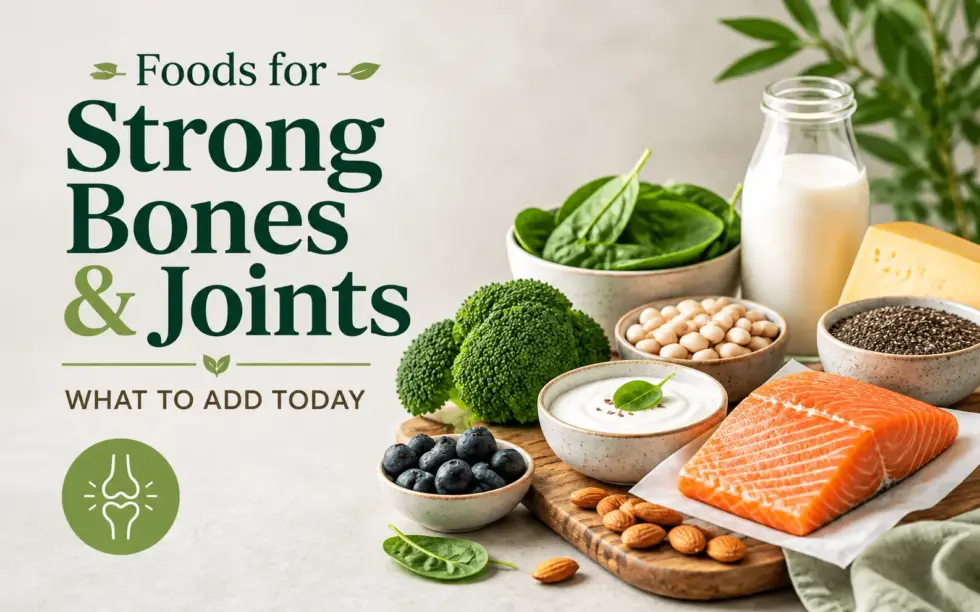
Just a list of foods that actually help your bones and joints stay strong and resilient. And more importantly, what to add today, without turning your life into a nutrition spreadsheet.
First, a quick reality check
Bones and joints are not the same thing.
Bones are your structure. They’re living tissue, constantly remodeling through processes like growth. You’re either building and maintaining bone, or slowly losing it over time.
Joints are the meeting points between bones, and they’re supported by cartilage, synovial fluid, tendons, ligaments, and a whole crew of stuff you never think about until it hurts.
So when people say “strong bones and joints,” they usually mean:
- Keeping bones dense and mineral rich
- Supporting cartilage and connective tissue
- Reducing chronic inflammation that makes joints ache
- Helping muscles do their job, because weak muscles can make joints take extra load
That’s why the best foods for bones are not always the same as the best foods for joints. But there’s overlap, and that overlap is where the magic happens.
Ok. Food.
The bone basics (what your body actually needs)
Bones need minerals. That part is obvious.
But bones also need the stuff that helps you absorb and use those minerals. And then joints need protein building blocks and anti-inflammatory nutrients to keep the “padding and lubrication” side of things in good shape.
The big nutrition players here:
- Calcium (the classic bone mineral)
- Vitamin D (helps absorb calcium)
- Vitamin K (helps direct calcium into bones, not random places)
- Magnesium (bone structure, also helps regulate vitamin D)
- Protein (collagen matrix in bone, and muscle support)
- Vitamin C (collagen formation, connective tissue support)
- Omega 3s (inflammation support, joint comfort)
- Collagen and gelatin (not mandatory, but helpful for some people)
- Potassium (helps buffer acid load, supports bone retention)
- Zinc, phosphorus, manganese, boron (smaller players, still real)
Now let’s make this usable and specific.
1. Dairy (or fortified alternatives) that you will actually eat
Yes, dairy is still one of the easiest bone foods. Mostly because it’s calcium plus protein in one shot.
What to add
- Greek yogurt
- Milk
- Kefir
- Cottage cheese
- Hard cheeses (smaller portions, still useful)
Why it helps
- Calcium helps maintain bone mineral density.
- Protein helps build the bone matrix and supports muscle, which protects joints.
- Some dairy is fortified with vitamin D, which is a huge bonus.
In addition to these dietary sources, it’s worth noting that certain supplements can help with joint pain relief by providing essential nutrients. Furthermore, understanding the role of various nutrients in bone health can help in making informed dietary choices.
Easy add today
- A bowl of Greek yogurt with berries and a spoon of chia.
- A glass of milk with a meal.
- Kefir smoothie with frozen fruit.
If you don’t do dairy
Totally fine. Just don’t accidentally “replace dairy” with nothing.
Look for calcium and vitamin D fortified:
- Soy milk (usually the best fortified option nutritionally)
- Fortified almond milk or oat milk (check the label)
- Fortified plant yogurts
The key is label checking. Some alternatives are basically flavored water with vibes.
2. Fatty fish (salmon, sardines, mackerel)
This is one of the best joint foods. Also sneaky good for bones.
What to add
- Salmon
- Sardines
- Mackerel
- Trout
- Anchovies
Why it helps
- Omega 3 fats support a healthier inflammatory response, which many people feel in their joints.
- Fish provides protein.
- Some fish (especially sardines with bones) provides calcium.
- Fatty fish is a natural source of vitamin D, which a lot of people are low in.
Easy add today
- Canned sardines on toast with lemon and olive oil.
- Salmon bowl: rice, salmon, cucumber, avocado, sesame.
- Tuna is fine too, but rotate fish types when you can.
3. Leafy greens (but not just “eat spinach”)
Leafy greens are great, but here’s the honest part.
Spinach is nutrient dense, yes. But it’s high in oxalates, which can reduce calcium absorption. That doesn’t mean spinach is bad. It just means spinach shouldn’t be your only “calcium from plants” strategy.
What to add
- Kale
- Bok choy
- Collard greens
- Turnip greens
- Mustard greens
- Broccoli
- Arugula
Why it helps
- These greens provide vitamin K, plus magnesium and other minerals.
- Vitamin K is especially important for bone protein activation.
Easy add today
- Sauté bok choy with garlic.
- Toss kale into a soup at the end.
- Broccoli with olive oil and salt, roasted. Honestly unbeatable.
4. Eggs (especially if you hate complicated meals)
Eggs are not a calcium powerhouse. But they do support the overall “bone and joint system” in a simple way.
What to add
- Whole eggs
- Omelets with veggies
- Egg salad (yes, still good)
Why it helps
- Eggs provide protein and nutrients like phosphorus and fat soluble vitamins.
- If you include the yolk, you get more of the good stuff.
- Also eggs are an easy vehicle for leafy greens, mushrooms, cheese, etc.
Easy add today
- Two eggs plus a handful of greens.
- Omelet with feta and spinach (again, spinach is fine. Just rotate greens).
5. Bone broth and collagen rich foods (optional, but worth mentioning)
This category gets hyped like crazy. Some of it is marketing. Some of it is legit helpful for certain people.
Collagen is a major protein in connective tissue. Your body makes it, but it needs raw materials like protein and vitamin C.
What to add
- Bone broth (real broth, not salty “broth flavored water”)
- Gelatin
- Slow cooked meats (chuck roast, short ribs)
- Collagen peptides (if you want convenience)
Why it helps
- Provides collagen amino acids like glycine and proline.
- Some people report improved joint comfort over time.
- Works best combined with vitamin C rich foods.
Easy add today
- Add collagen peptides to coffee or a smoothie.
- Make a soup with bone broth.
- Eat citrus or berries alongside.
Not a miracle, but it’s a decent “small daily add” if it fits your budget.
6. Citrus, berries, and vitamin C rich fruits
If you want your body to make collagen properly, vitamin C matters. A lot.
What to add
- Oranges
- Grapefruit
- Kiwi
- Strawberries
- Blueberries
- Guava
- Pineapple
- Papaya
Why it helps
- Vitamin C is required for collagen synthesis.
- Berries also contain antioxidants that support overall tissue health.
Easy add today
- Kiwi and yogurt.
- Frozen berries in oatmeal.
- Orange as a snack instead of another bar.
7. Nuts and seeds (tiny foods, big impact)
This is one of the easiest “add today” categories because you barely need to change your cooking.
What to add
- Chia seeds
- Flaxseed
- Sesame seeds
- Tahini
- Almonds
- Walnuts
- Pumpkin seeds
Why it helps
- Seeds and nuts provide magnesium, calcium (especially sesame), and healthy fats.
- Walnuts and flax offer plant omega 3s (ALA).
- Magnesium supports bone structure and vitamin D metabolism.
Easy add today
- Chia in yogurt.
- Tahini drizzle on roasted vegetables.
- Sprinkle sesame on stir fries.
8. Beans and lentils (underrated bone and joint food)
This is not flashy, but it works.
What to add
- Lentils
- Chickpeas
- Black beans
- White beans
- Edamame (soybeans)
Why it helps
- Plant protein supports muscle and bone structure.
- Beans provide magnesium and potassium.
- Soy foods in particular have evidence for supporting bone health in some populations, partly due to isoflavones.
Easy add today
- Lentil soup.
- Chickpeas on a salad.
- Edamame as a snack.
If your stomach is not used to legumes, start smaller. Your gut needs a minute.
9. Tofu, tempeh, and calcium set soy
This one deserves its own section because tofu can be a calcium powerhouse, but only if it’s made a certain way.
What to add
- Calcium-set tofu (check label for calcium sulfate)
- Tempeh
- Soy milk (fortified)
Why it helps
- Calcium-set tofu can be high in calcium.
- Provides protein.
- Fits into savory meals easily.
Easy add today
- Tofu stir fry with broccoli and sesame.
- Tempeh in a sandwich or bowl.
10. Whole grains (yes, they belong here)
Whole grains aren’t a “bone superfood” in the way dairy is, but they add minerals and help overall dietary pattern quality. Which is boring, but true.
What to add
- Oats
- Brown rice
- Quinoa
- Whole wheat
- Buckwheat
- Barley
Why it helps
- Provides magnesium and other minerals.
- Supports steady energy, which matters if you’re active. Activity plus nutrition is the real combo for bones.
Easy add today
- Oatmeal with chia and berries.
- Quinoa bowl with salmon and greens.
11. Prunes (weirdly effective)
This is the part where people go, wait. Prunes?
Yes. Prunes.
They’re one of the more studied fruits for bone health, especially in older adults, but honestly they’re a smart add for almost anyone.
What to add
- Prunes (dried plums)
Why it helps
- They contain polyphenols and nutrients like potassium and vitamin K.
- They may support bone turnover balance.
Easy add today
- 4 to 6 prunes as a snack.
- Chop into oatmeal if you can handle the vibe.
12. Olive oil (your joints will appreciate it)
Extra virgin olive oil is one of those foods that quietly improves a diet without being annoying.
What to add
- Extra virgin olive oil
Why it helps
- Contains anti-inflammatory compounds and healthy monounsaturated fats.
- Supports overall cardiometabolic health, which indirectly supports joints because inflammation is not isolated.
Easy add today
- Use olive oil as your default cooking and dressing fat.
- Olive oil, lemon, salt. Done.
13. Garlic and onions (small, but meaningful)
If you cook at home even a little, this is an easy win.
What to add
- Garlic
- Onions
- Leeks
Why it helps
- Contain sulfur compounds that may support connective tissue and help manage inflammation.
- Also they make healthy food taste good, which is underrated nutrition science.
Easy add today
- Garlic in everything.
- Add onions to eggs, soups, stir fries.
14. Mushrooms (especially for vitamin D support sometimes)
Mushrooms aren’t automatically loaded with vitamin D, but some are exposed to UV light and have more.
What to add
- UV-exposed mushrooms (label often mentions vitamin D)
- Regular mushrooms anyway, they’re great
Why it helps
- Potential vitamin D support.
- Adds minerals and bioactive compounds.
- Easy to throw into meals.
Easy add today
- Sauté mushrooms with garlic.
- Add to pasta, eggs, rice bowls.
15. Water, yes water (joint lubrication is a real thing)
Not a “food,” but I’m including it because people will buy supplements and forget to drink water.
Synovial fluid in joints depends on hydration. If you’re consistently dehydrated, joints can feel worse.
Easy add today
- Drink water with meals.
- If you exercise, add more than you think.
What about calcium supplements?
Sometimes helpful. Sometimes unnecessary. Sometimes a bad idea without guidance.
If you struggle to get enough calcium from food, supplementation can fill gaps. But more isn’t always better, and some people do better with food first.
A safer approach for many people is:
- Aim for calcium foods consistently
- Ensure vitamin D is adequate (food, sunlight, or supplement)
- Get magnesium through diet
- Strength train (seriously, it matters)
If you have osteoporosis, kidney disease, a history of kidney stones, or you’re on medications that affect bone, talk to a clinician before self-prescribing high doses.
The joint piece people miss: protein and muscle
A lot of joint pain is not just “cartilage wearing out.”
Weak glutes, weak quads, weak upper back. Tight hips. Poor ankle mobility. Old injuries. It all changes how force moves through a joint.
Food helps, but food plus muscle is the real plan.
From a diet perspective, that means getting enough protein consistently.
Good protein foods for bones and joints:
- Greek yogurt, cottage cheese
- Fish, poultry, lean meat
- Eggs
- Tofu, tempeh, edamame
- Lentils and beans
- Protein powders if needed (whey or soy are solid options)
You don’t need to be a bodybuilder. You just need enough building material that your body isn’t constantly short.
A simple “add today” grocery list
If you want to stop reading and just do something, here you go.
Pick 8 to 12 items from this list:
Proteins
- Salmon or sardines
- Greek yogurt or kefir
- Eggs
- Tofu (calcium set) or tempeh
- Lentils
Plants
- Kale or bok choy
- Broccoli
- Berries (fresh or frozen)
- Oranges or kiwi
- Prunes
Fats and extras
- Extra virgin olive oil
- Tahini or sesame seeds
- Chia seeds or flaxseed
- Garlic and onions
That’s already a bone and joint friendly diet shape. Without making it weird.
Three “done in 10 minutes” meal ideas
Because if it’s not easy, it doesn’t happen.
1) Bone and joint breakfast bowl
- Greek yogurt
- Frozen berries
- Chia seeds
- A few chopped prunes (optional)
- Sprinkle of nuts
2) Sardine toast lunch (surprisingly good)
- Whole grain toast
- Sardines
- Olive oil + lemon
- Side of fruit (orange, kiwi)
Add arugula if you want to feel fancy.
3) Quick tofu and broccoli dinner
- Calcium set tofu
- Broccoli
- Garlic + olive oil
- Sesame seeds or tahini
- Serve over rice or quinoa
Foods that can quietly mess with bones and joints (in excess)
I’m not doing a “ban these foods forever” thing. But some patterns make it harder for your body to maintain strong bones and calm joints.
- Very high sodium diets with low potassium foods (think lots of processed food, not much produce)
- Heavy soda intake replacing milk or healthier drinks (especially colas)
- Low protein dieting for long periods
- Constant ultra-processed snacking that crowds out nutrient dense meals
- Excess alcohol (bone and fall risk issues, and recovery issues too)
You don’t need perfection. Just notice what’s replacing what.
What I’d personally do if I wanted stronger bones and happier joints
Not as a rule for you. Just as a realistic template.
- Eat a calcium rich food daily (yogurt, fortified soy milk, tofu)
- Eat a vitamin C rich fruit daily (kiwi, berries, citrus)
- Eat fatty fish 2 times a week (or omega 3 alternative if not)
- Use olive oil like it’s normal (because it is)
- Add greens most days, rotate them
- Do strength training 2 to 4 days a week, even basic stuff
- Get vitamin D checked if you never see sun or you’re always tired
And give it time. Bones remodel slowly. Joints calm down slowly. A week of salads doesn’t fix years of neglect. Annoying, but true.
Let’s wrap this up
If you want stronger bones and joints, you don’t need a complicated plan.
You need a few consistent adds.
Start with one calcium anchor (Greek yogurt, fortified soy milk, calcium-set tofu). Add omega 3s (salmon or sardines). Add leafy greens that aren’t always spinach. Add vitamin C fruit. Sprinkle in seeds and olive oil. And keep protein steady.
That’s it. That’s the foundation.
And if you’re choosing just one thing to do today, right now, after reading this.
Add a bone friendly breakfast tomorrow. Yogurt, berries, chia. Or eggs with greens and a side of fruit. Small start, but it counts.
FAQs (Frequently Asked Questions)
Why is bone health important before the age of 50?
Bone health isn’t just a concern for older adults; early signs like creaky knees or sore wrists can indicate that maintaining strong bones and joints should start while you’re still relatively young to prevent future issues.
What are the main differences between bones and joints?
Bones provide the structural framework of your body and are living tissues constantly remodeling. Joints are where bones meet, supported by cartilage, synovial fluid, tendons, and ligaments, all crucial for movement and cushioning.
Which key nutrients support both bone and joint health?
Important nutrients include calcium, vitamin D, vitamin K, magnesium, protein, vitamin C, omega-3 fatty acids, collagen, potassium, zinc, phosphorus, manganese, and boron. These help maintain bone density, support connective tissue, reduce inflammation, and strengthen muscles around joints.
What are some practical foods to improve bone strength?
Dairy products like Greek yogurt, milk, kefir, cottage cheese, and hard cheeses provide calcium and protein essential for bone density. Fortified plant-based alternatives such as soy milk or almond milk are good options if you avoid dairy.
How do fatty fish contribute to joint and bone health?
Fatty fish like salmon, sardines (especially with bones), mackerel, trout, and anchovies supply omega-3 fats that reduce inflammation in joints. They also provide protein and vitamin D which supports calcium absorption for stronger bones.
Are leafy greens beneficial for bone health beyond spinach?
Yes! While spinach is nutrient-dense but high in compounds that may limit calcium absorption, other leafy greens can offer valuable vitamins and minerals that support bone strength without these drawbacks.